Solutions
  Products
  Industries
 Resource Center
  Company
  Contact Us

 North America
  Europe
  Deutschland
  Asia-Pacific
  Canada (Français)
  Africa
  Argentina
  México
  Brasil
 Prioritise sustainable operations
Reduce emissions, cut costs, and comply with ESG regulations with accurate, data-driven insights.






Sustainability Made Simple
Simplify sustainability with intelligent tools
-
Fuel
efficiency -
Energy
optimisation -
Emission
tracking -
EV
transition -
Compliance &
reporting -
Brand
reputation
Fuel efficiency
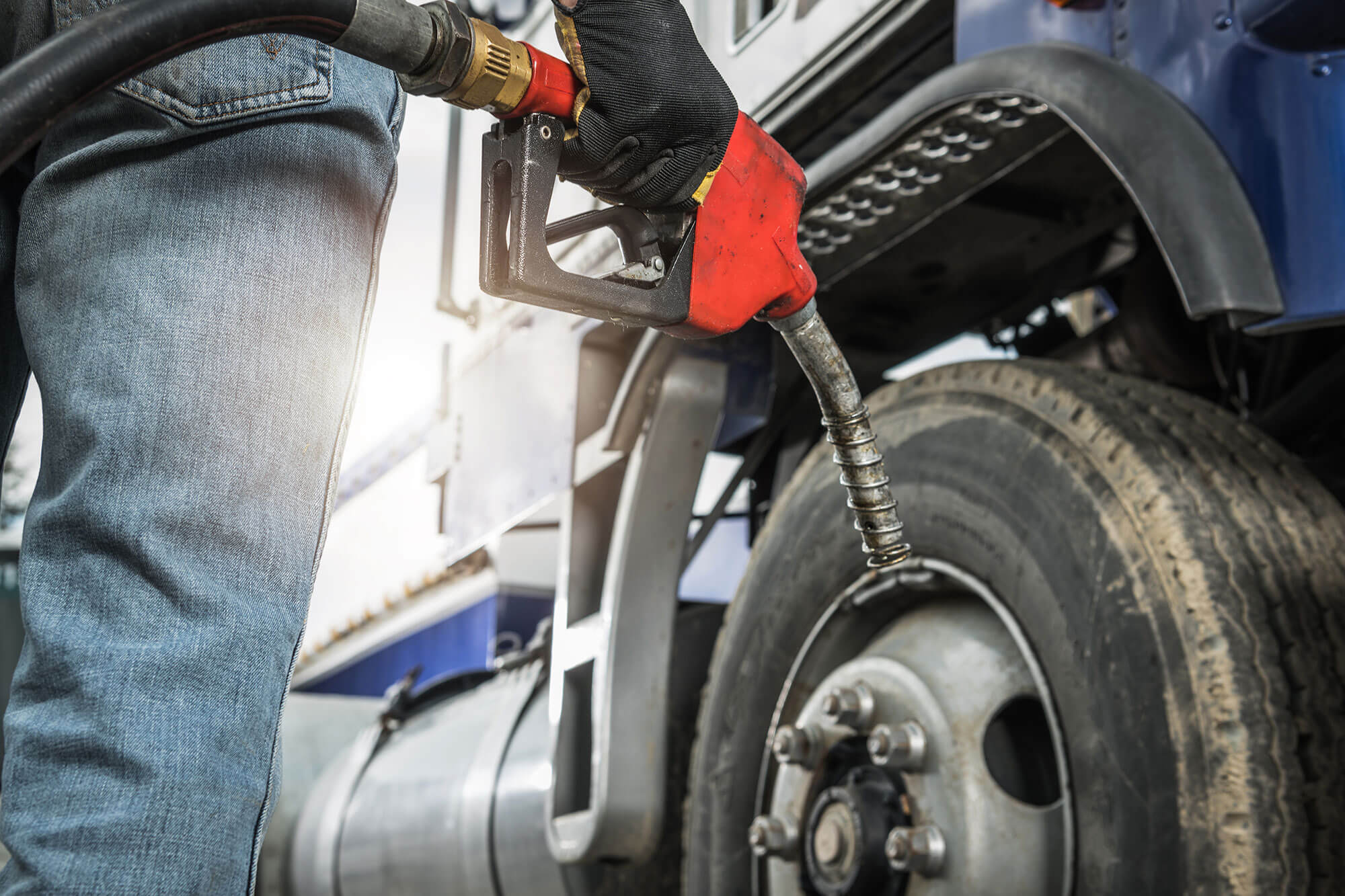
Powerfleet’s AI analytics pinpoint fuel waste across your fleet – from idle time to inefficient routes. Real-time insights help you optimise driver behaviour, vehicle loads, and maintenance schedules to cut fuel consumption. The result? Lower operational costs and reduced carbon emissions, without sacrificing productivity. Smart monitoring and automated alerts make it easy to implement data-driven efficiency strategies.

Energy optimisation
Monitor energy consumption patterns in real-time from a single pane of glass. Our solutions provide visibility into fuel and energy usage, enabling fleet managers to track consumption patterns, detect anomalies, and implement conservation strategies. AI-powered analytics identify waste points and automatically suggest optimisation strategies. Get complete visibility across mixed fleets transitioning to sustainable energy sources.

Emission tracking
Track and analyse CO2 emissions automatically across your entire fleet. Constant monitoring catches high-emission events instantly while AI-powered analytic tools identify trends and improvement opportunities. With robust reporting tools, fleet managers can visualise trends, set reduction targets, and implement greener operational practices. Whether through optimised routing, reduced idling, or improved vehicle efficiency, our solutions help fleets take meaningful action toward a more sustainable future.

EV transition
Transitioning to an electric fleet requires careful planning and up-to-date insights. Powerfleet’s advanced analytics provide in-depth visibility into battery health, vehicle range, and charging infrastructure needs, ensuring a smooth and efficient transition to electric vehicles (EVs). By monitoring charge cycles and energy consumption, fleet managers can extend battery life and optimise charging schedules. Manage both conventional and electric vehicles seamlessly during your sustainability journey.

Compliance & reporting
Stay ahead of evolving environmental regulations with automated compliance tools. Track sustainability metrics against local and global standards with instant alerts for potential issues. Powerfleet simplifies the process by integrating fleet data into standardised reporting frameworks, ensuring transparency and accountability. Generate comprehensive ESG reports with a few clicks. Access all your environmental compliance data from one central platform.

Brand reputation
Transform sustainability data into compelling ESG stories. Create clear visualisations of your environmental improvements with automated reporting tools. Track progress against industry benchmarks and document green initiatives effortlessly. Share verified sustainability achievements through customisable reports and real-time dashboards. A strong ESG strategy enhances brand reputation and builds trust with customers, investors, and stakeholders.
Data-Driven Environmental Impact
Cut emissions while boosting efficiency
Cut costs, reduce emissions, and enhance ESG performance with Powerfleet’s intelligence solutions.

Lower fuel costs
Real-time monitoring catches waste instantly. Intelligent, AI-powered analytics turn fuel data into automatic savings opportunities.

Reduce carbon emissions
AI-powered tracking identifies high-impact improvements. Automated reports show clear progress toward environmental goals.

Improve compliance
Digital documentation meets evolving ESG standards. Automatic alerts prevent environmental compliance gaps.

Strengthen brand image
Clear metrics demonstrate environmental leadership. Real data replaces promises in sustainability reporting.

“Powerfleet helps us elevate safety standards, reduce costs, and increase vehicle longevity while meeting environmental goals.”

Fleet Coordinator
Energisa
“Powerfleet’s standardised data helps us give drivers actionable feedback, improving road safety performance globally.”

Head of Road Safety
Holcim
"Within six months of using Powerfleet solutions, Wincanton saw a dramatic decrease in poor driver behaviour and fuel expenditure.”

Group Fleet Director
Wincanton
Recognition That Drives Us Forward
Our award-winning AIoT solutions

Technology Innovator Award 2025

Top innovator in commercial video technologies 2023